Introduction
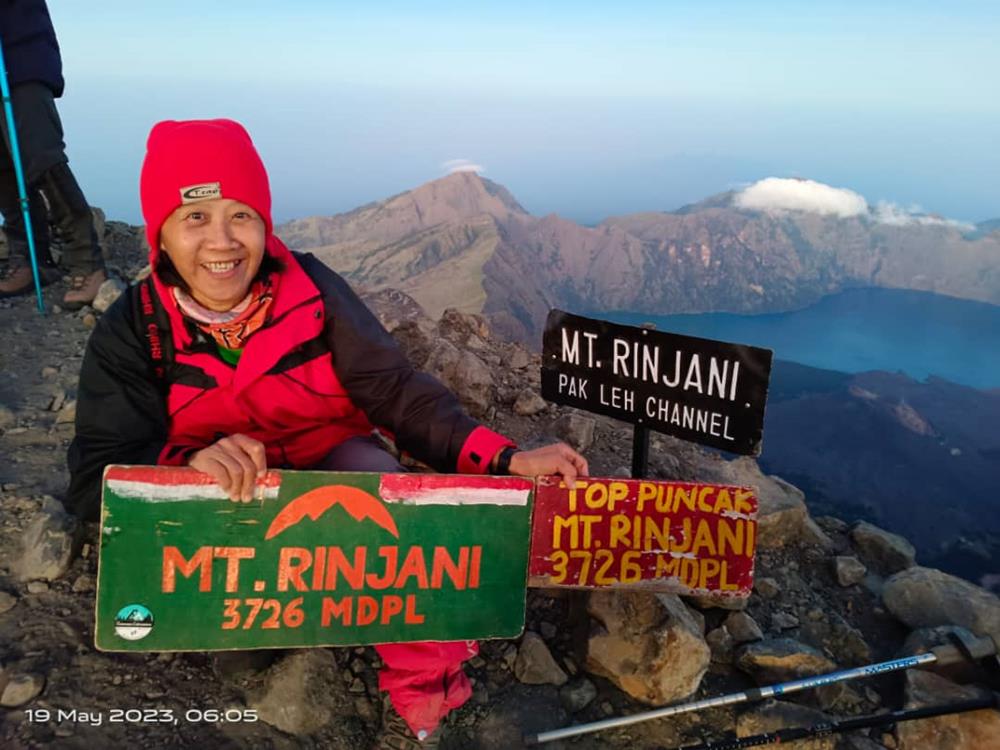
Mount Rinjani, standing tall at 3,726 meters, is the second-highest volcano in Indonesia and a breathtaking natural wonder that attracts adventurers and nature lovers from around the globe. Located on the stunning island of Lombok, Rinjani is not just a mountain; it is a vital part of the local culture and a symbol of beauty and adventure. This article explores the allure of Mount Rinjani, offering insights into its trekking trails, natural beauty, and cultural significance.

The Trekking Experience
One of the main draws of Mount Rinjani is its trekking opportunities. The most popular route is the three-day trek, which takes hikers through lush forests, scenic waterfalls, and the stunning crater lake, Segara Anak. The trek is challenging but rewarding, offering panoramic views that will leave you in awe. Whether you are an experienced hiker or a beginner, there are various trails to suit different skill levels.
Breathtaking Scenery
As you ascend Mount Rinjani, you will encounter diverse landscapes, from dense rainforests to rocky terrains. The highlight of the trek is the crater lake, Segara Anak, which is surrounded by steep cliffs and is known for its striking blue color. Many trekkers take the opportunity to camp by the lake, enjoying the tranquil environment and the mesmerizing views of the starry night sky.
Cultural Significance
Mount Rinjani holds a special place in the hearts of the local Sasak people. It is considered sacred and is often associated with various myths and legends. The mountain is not only a natural landmark but also a spiritual site, with many locals making pilgrimages to its summit. Understanding the cultural significance of Rinjani adds depth to the trekking experience, allowing visitors to appreciate the mountain beyond its physical beauty.
Best Time to Visit
The best time to trek Mount Rinjani is during the dry season, which typically runs from April to December. During this period, the weather is more favorable, and the trails are less muddy, making for a more enjoyable hiking experience. However, it is essential to prepare adequately and check local conditions before embarking on your adventure.
Geography of Mount Rinjani
Mount Rinjani is not only a prominent feature of Lombok Island but also a significant geological formation that tells a story of volcanic activity and natural beauty. Here’s a closer look at the geographical aspects of this majestic mountain.
Location and Structure
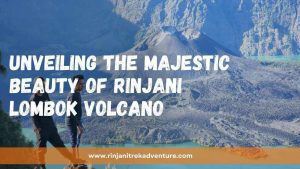
Mount Rinjani is located in the northern part of Lombok Island, Indonesia, and is part of the Rinjani National Park, which spans approximately 41,000 hectares. The mountain is a stratovolcano, characterized by its conical shape formed from layers of lava, ash, and volcanic rocks. It has a complex structure, featuring a summit crater that is about 6 kilometers wide, with the active crater lake, Segara Anak, nestled within it.
Crater Lake Segara Anak
Segara Anak, meaning “Child of the Sea,” is a stunning body of water that lies at an altitude of about 2,000 meters. The lake is approximately 2.5 kilometers long and 1 kilometer wide, with its deep blue waters contrasting beautifully against the surrounding rugged terrain. The lake is not only a picturesque sight but also holds geothermal activity, with hot springs located nearby that are popular among trekkers for a relaxing soak.
Flora and Fauna
The geographical diversity of Mount Rinjani supports a wide range of ecosystems. The lower slopes are covered with lush tropical rainforests, home to a variety of plant species, including endemic flora like the Rinjani Edelweiss (Anaphalis javanica). As you ascend, the vegetation transitions to alpine meadows and rocky landscapes, showcasing the mountain’s ecological variety. The area is also rich in wildlife, including various bird species, monkeys, and unique insects, making it a haven for nature enthusiasts and biodiversity researchers.
Geological History
Mount Rinjani’s formation is a result of volcanic activity that dates back thousands of years. The most recent significant eruption occurred in 2016, which reminded locals and visitors of the mountain’s active nature. The geological history of Rinjani is crucial for understanding the volcanic processes that shape the region and contribute to the fertile soils that support agriculture in Lombok.
Surrounding Landscape
The geography surrounding Mount Rinjani is equally captivating. The mountain is framed by lush valleys, terraced rice fields, and traditional Sasak villages that dot the landscape. The views from various vantage points along the trekking routes offer breathtaking panoramas of Lombok and the neighboring islands, including Bali and Sumbawa, creating a stunning backdrop for outdoor activities and photography.
Rinjani National Park
Rinjani National Park, established in 1997, encompasses Mount Rinjani and its surrounding areas, covering approximately 41,000 hectares of diverse ecosystems and breathtaking landscapes. It is not only a haven for trekkers and adventure seekers but also a critical area for biodiversity conservation and cultural heritage. Here’s an in-depth look at what makes Rinjani National Park a remarkable destination.
Biodiversity and Ecosystems
Rinjani National Park is home to a rich variety of flora and fauna, making it one of the most ecologically significant areas in Indonesia. The park’s ecosystems range from tropical rainforests at lower elevations to alpine meadows and volcanic landscapes at higher altitudes.
Flora: The park boasts over 1,000 species of plants, including several endemic species. Notable plants include the Rinjani Edelweiss (Anaphalis javanica), which thrives in the higher altitudes, and various medicinal plants used by local communities.
Fauna: The park is inhabited by diverse wildlife, including the endangered black monkey (Macaca nigra), wild boars, deer, and various bird species such as the Javan hawk-eagle and the lesser adjutant stork. The rich biodiversity makes Rinjani National Park a vital area for conservation efforts.
Cultural Significance
Rinjani National Park is not only a natural wonder but also a site of cultural importance for the local Sasak people. The mountain is considered sacred, and many locals believe it is the home of the gods. Traditional rituals and ceremonies are often held at the summit and around the crater lake, reflecting the deep spiritual connection the community has with the land.
The park also features several traditional villages where visitors can experience local culture, crafts, and cuisine. Engaging with the Sasak community provides a unique opportunity to learn about their way of life and the significance of Mount Rinjani in their traditions.
Trekking Routes
Rinjani National Park offers several trekking routes, catering to different skill levels and preferences. The most popular trekking routes include:
Sembalun Route: This is the most common starting point for the three-day trek to the summit. It offers a gradual ascent through beautiful grasslands and stunning views of the surrounding landscape.
Senaru Route: This route is known for its lush rainforest and takes trekkers to the crater rim, where they can enjoy breathtaking views of Segara Anak Lake and the summit.
Day Trekking: For those who may not want to undertake a multi-day trek, there are shorter day hikes available that provide access to stunning viewpoints and the crater rim.
Conservation Efforts
Rinjani National Park plays a crucial role in conservation efforts in Indonesia. The park is managed by the Indonesian government in collaboration with local communities and conservation organizations. Efforts include habitat preservation, wildlife protection, and sustainable tourism practices to minimize the environmental impact of trekking activities.
Visitor Information
Best Time to Visit: The ideal time to visit Rinjani National Park is during the dry season, from April to December, when the weather is more stable and the trails are less muddy.
Permits and Regulations: Visitors are required to obtain permits to trek in the national park, and it is advisable to hire local guides for safety and to enhance the experience.
Facilities: The park has basic facilities, including campsites and information centers. However, trekkers should be prepared for limited amenities and carry necessary supplies.
Conclusion
Rinjani National Park is a remarkable destination that combines stunning natural beauty, rich biodiversity, and cultural significance. Whether you are an avid trekker, a nature enthusiast, or someone looking to immerse yourself in local culture, Rinjani National Park offers a unique and unforgettable experience. Exploring this national treasure not only allows you to appreciate the wonders of nature but also to connect with the vibrant heritage of Lombok Island.